Introduction
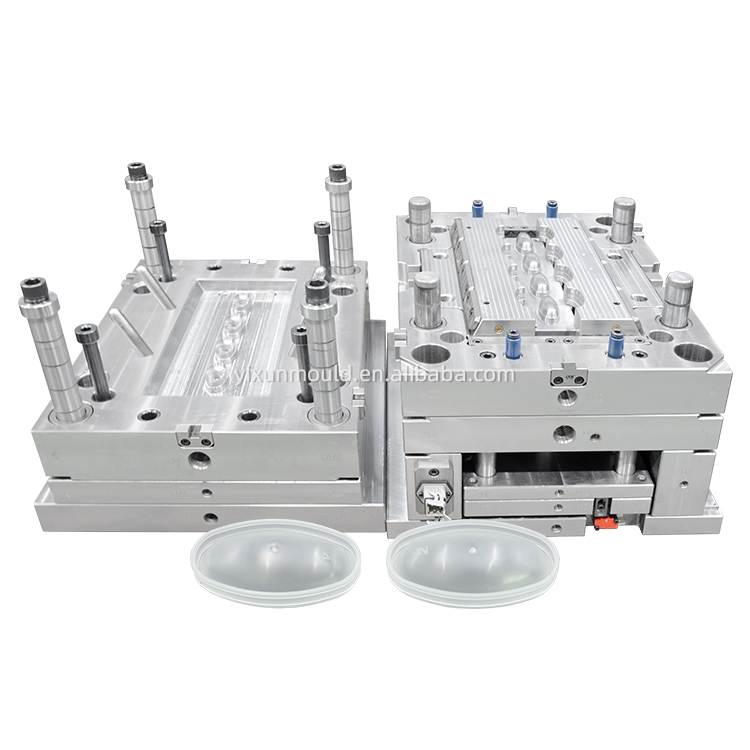
In the manufacturing of high-quality plastic components for medical, electronic, and industrial applications, PP injection molds demand a perfect balance of design efficiency, material durability, and surface finish. This blog explores a precision 1×4 cavity pin-point gate mold, purpose-built for producing axis tray parts in polypropylene (PP). With cavity and core crafted from 2083 mold steel (HRC48–52) and finished with general fine polishing, this mold offers consistent performance, high output, and long service life for mass production.
Mold Overview
This mold is engineered for axis tray components, which are widely used in medical, laboratory, and industrial settings to hold and protect delicate instruments. The design focuses on repeatability, cleanliness, and ease of molding with PP, a lightweight, chemical-resistant, and cost-effective material.
| Feature | Specification |
| Mold Type | 1×4 cavity plastic injection mold |
| Runner System | Pin-point gate (hot or cold runner configuration) |
| Cavity & Core Steel | 2083 stainless mold steel |
| Hardness | HRC 48–52 (heat-treated) |
| Surface Finish | General fine polishing |
| Molding Material | Polypropylene (PP) |
| Application | Axis trays, instrument holders, labware, and similar components |
Design & Performance Highlights
1. 1×4 Cavity Layout for High Productivity
The balanced 1×4 cavity design ensures uniform melt flow and cooling across all four parts, delivering consistent dimensions and surface quality with every cycle. This configuration maximizes output without compromising precision, making it ideal for mid-to-high volume production runs.
2. Pin-Point Gate System for Clean, Low-Waste Production
Pin-point gates are a smart choice for axis tray parts:
Minimal gate vestige: Leaves a tiny, almost invisible mark on the part surface, eliminating the need for secondary trimming.
Automatic degating: Parts separate cleanly from the runner during ejection, supporting fully automated production.
Reduced material waste: Works efficiently with both cold and hot runner systems, lowering scrap rates and cycle times.
3. 2083 Steel Cavity & Core: Built for Durability
2083 (DIN 1.2083) is a high-performance stainless mold steel widely used in molds requiring corrosion resistance and long tool life. Key benefits include:
Corrosion resistance: Ideal for use with PP, which can release mild volatiles, as well as for applications requiring clean, sanitary conditions (e.g., medical trays).
High hardness (HRC48–52): Delivers excellent wear resistance, even with high-volume, repetitive injection cycles.
Polishability: Accepts fine polishing well, supporting smooth, clean surfaces required for axis trays.
4. General Fine Polishing for Clean, Functional Surfaces
The mold cavities and cores are finished with general fine polishing, ensuring:
Smooth, glossy parts that are easy to clean and sterilize.
Reduced friction during ejection, minimizing the risk of scratches or damage to delicate tray edges.
Uniform surface quality across all four cavities, critical for parts that require consistent fit and finish.
Why This Mold Excels at Axis Tray Production
Axis trays have unique molding requirements: they need to be dimensionally accurate, free of flash or warpage, and have smooth edges to protect the instruments they hold. This mold is optimized to meet those needs:
Balanced filling: Ensures uniform part weight and wall thickness, preventing warpage common with semi-crystalline PP.
Precision ejection: The polished surfaces and balanced ejection system reduce the risk of distortion or part damage.
Low maintenance: 2083 steel’s corrosion resistance minimizes cleaning and maintenance downtime, supporting continuous production.
Conclusion
This 1×4 cavity PP pin-point gate mold combines high productivity, durable materials, and clean surface quality, making it an excellent choice for axis tray and similar functional plastic components. With 2083 steel at HRC48–52, fine polished surfaces, and an efficient pin-point gate design, it delivers reliable, consistent results for long-term mass production.


